

Understanding the Nutritional Needs of Small Pets
Feeding small pets like hamsters, gerbils, and guinea pigs requires a comprehensive understanding of their unique nutritional needs. A balanced diet is crucial, as it directly influences their overall health and longevity. Each species has specific dietary requirements rooted in their natural habitats, and meeting these needs is essential for their well-being.
Hamsters are omnivores and require a diet rich in both plant and animal-based nutrients. They thrive on high-quality commercial pellets that provide essential vitamins and minerals. Additionally, providing fresh fruits and vegetables can enhance their diet, but it is important to ensure that these foods are appropriate for them. Gerbils, on the other hand, have a more herbivorous diet, predominantly consuming seeds, grains, and high-fiber hay. This high-fiber diet supports their digestive health, ensuring smooth functioning of the gastrointestinal tract. Meanwhile, guinea pigs need a diet specially focused on vitamin C since they cannot synthesize it on their own. Fresh hay, supplemented with pellets and fresh greens, can provide a balanced approach for these animals.
Each of these small pets benefits from specific macronutrients. Fiber is paramount, as it aids in digestion and regulates gut health. Protein is also vital, supporting growth and maintenance of body tissues. Carbohydrates provide necessary energy, allowing for their playful behaviors. Additionally, should any monkey health aspects arise, vitamins and minerals are indispensable for maintaining a robust immune system and overall vitality. Understanding these components is the foundation of establishing a well-rounded diet for your pets.
Overall, the dietary needs of hamsters, gerbils, and guinea pigs highlight the importance of selecting appropriate foods based on their natural eating habits. By carefully considering these nutritional needs, pet owners can promote a healthier and more fulfilling life for their small companions.
Debunking Myths About Commercial Pet Foods
In the realm of small pet ownership, particularly concerning hamsters, gerbils, and guinea pigs, numerous misconceptions about commercial pet foods often lead to misguided purchasing decisions. One prevailing myth is that all commercial pet foods contain low-quality ingredients. While it is true that some brands may prioritize cost-cutting over nutritional value, many reputable companies produce high-quality foods tailored specifically for small pets. As a result, pet owners should be diligent in researching brands and their ingredient sources.
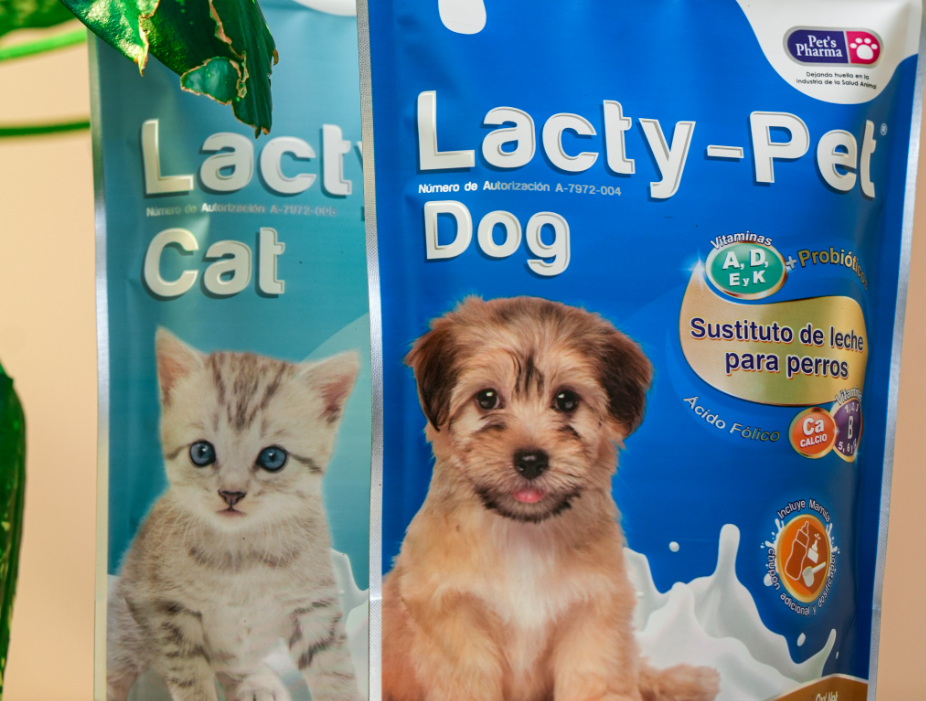
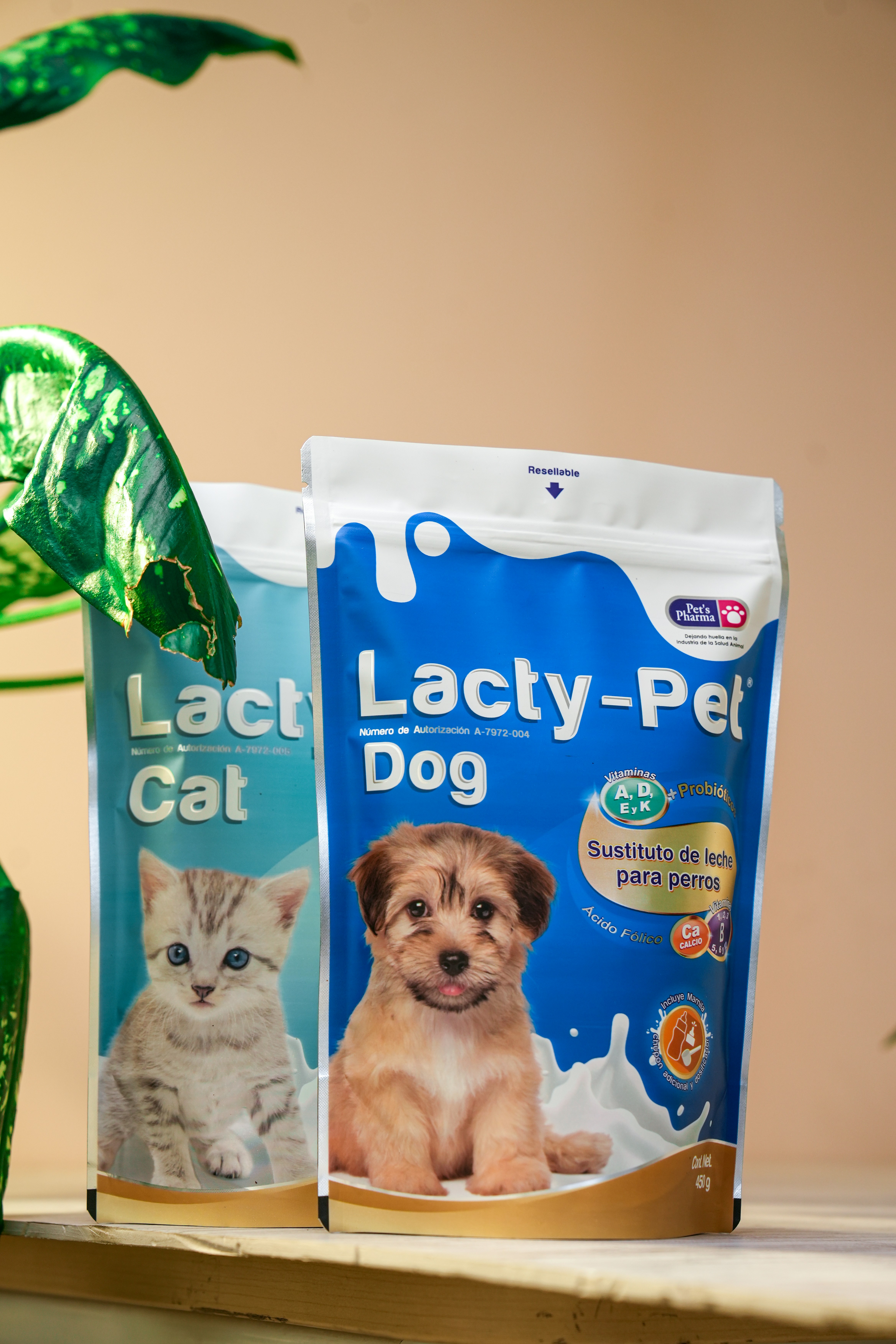
Another common misconception relates to misleading marketing claims found on packaging. Terms such as “natural,” “holistic,” or “premium” can often be misleading, leaving pet owners uncertain about what truly constitutes a nutritious food choice. Understanding how to read labels and ingredient lists is crucial. For instance, a food that boasts high protein content may still be low in essential vitamins and minerals. Therefore, examining the complete breakdown of nutrients provided is vital for ensuring your pet’s dietary needs are met.
Furthermore, the perception that all commercial pet foods are free from harmful additives is incorrect. While many established brands adhere to strict safety standards, some lesser-known or budget brands may contain fillers, artificial colors, or preservatives that could adversely affect your pet’s health. Choosing a brand with transparency regarding its ingredient sourcing and nutritional formulation is imperative.
In confronting these myths, small pet owners are urged to prioritize informed decision-making by researching various commercial pet food brands available on the market. This includes understanding the specific nutritional requirements of their pets and seeking out products that fulfill those needs. The combination of careful label scrutiny and brand reputation can empower owners to select the best options for the health and well-being of their small pets.
Creating a Balanced Diet: Key Components and Recommendations
To promote the health and longevity of your small pets, it is essential to provide them with a balanced diet tailored to their specific species needs. For hamsters, this diet typically consists of high-quality pelleted food as well as seeds and grains that cater to their nutritional requirements. Pellets should serve as the foundation of their diet, as they contain the necessary vitamins and minerals. Supplement this with a small amount of seeds and grains, but be cautious not to overfeed as these can be high in fat.
Gerbils, on the other hand, thrive on a diet similar to that of hamsters but have some unique variations. They require a blend of commercial pellets designed specifically for gerbils, along with high-fiber food such as hay and small amounts of seeds. The inclusion of fresh vegetables is encouraged, but it is crucial to introduce them slowly to monitor any adverse reactions. A well-balanced gerbil diet should comprise approximately 60-70% pellets, 20-30% hay, and 10% seeds.
Guinea pigs necessitate a slightly different approach due to their specific dietary needs. Their diet must include a constant source of fresh hay (timothy hay is preferred) and a small quantity of pellets formulated for guinea pigs, rich in Vitamin C. Fresh fruits and vegetables such as bell peppers and leafy greens can be introduced as treats but should not form a large part of their daily intake. Ideally, the dietary proportions should be around 80% hay, 10% pellets, and 10% fresh produce. Remember to limit the size of treats and monitor portion sizes to maintain a healthy weight for all small pets.
When introducing new foods to any small pet, it is wise to do so gradually. This allows their digestive system to adjust and helps you keep track of any food sensitivities or allergies. Observing your pet’s response to new foods is crucial for establishing a well-rounded and healthful diet.
Supplements and Fresh Foods: Enhancing Your Pet’s Diet
A balanced diet is essential for the health and well-being of small pets such as hamsters, gerbils, and guinea pigs. While commercial pellets or mixes form the basis of their nutrition, incorporating supplements and fresh foods is crucial for enhancing their diet. Supplements are often beneficial for providing essential nutrients that may be lacking in commercial diets. For example, vitamin C is vital for guinea pigs, as they cannot synthesize it themselves, thus making supplemental forms necessary. Similarly, calcium and vitamin D3 can be crucial for preventing deficiencies in other small pets.
There are various types of supplements available, including multivitamins, mineral blocks, and specific dietary aids. However, it is imperative to consult a veterinarian before introducing any supplements to ensure they meet the individual needs of your pet. Over-supplementation can lead to health issues, so the focus should be on achieving a balanced diet through natural sources whenever possible.
Fresh foods serve as an excellent complement to a pet’s primary diet, providing crucial hydration, fiber, and vitamins. When introducing fresh fruits and vegetables into their diet, it is advisable to start with small quantities to observe any adverse reactions. Leafy greens like kale, romaine lettuce, and carrots can be excellent choices for hamsters and guinea pigs, while gerbils may enjoy small pieces of bell peppers or zucchini. Always wash fruits and vegetables thoroughly to remove pesticides and chemicals before offering them to your pet.
However, not all fresh foods are safe. Certain foods, such as onions, garlic, and chocolate, can be toxic to small pets. A thorough understanding of which foods to avoid, coupled with a focus on variety, increases the dietary benefits for your pet. By enriching their diet with appropriate supplements and fresh foods, you promote optimal health and longevity in your pets.